Discover Samburu’s wildlife, culture, and unforgettable landscapes

Far from the crowded plains of the Maasai Mara, Samburu National Reserve offers a more intimate safari experience. Tucked in northern Kenya along the Ewaso Ng’iro River, Samburu is rugged, untamed, and beautifully wild. Every dawn brings the sound of elephants moving to water, lions roaring in the distance, and colorful birds filling the skies. It’s a destination where rare wildlife, rich traditions, and dramatic landscapes combine to create an unforgettable safari story.

Whether it’s witnessing the elusive leopard stalk its prey, photographing a sunset over acacia-studded plains, or learning from local Samburu herders about their ancestral traditions, every moment in Samburu leaves a lasting memory.

Did You Know?

Samburu is located in a semi-arid region, yet its Ewaso Ng’iro River supports lush habitats and attracts hundreds of bird species throughout the year.
Quick Tips

  • Carry binoculars for wildlife spotting.
  • Early morning drives give best lighting for photography.
  • Respect local customs when visiting villages.
  • Bring a small daypack for water and snacks.

Wildlife Wonders of Samburu

Samburu is home to a unique collection of wildlife, including the famous Samburu Special Five:

  • Grevy’s Zebra – narrow stripes and striking ears.
  • Reticulated Giraffe – elegant, patterned giraffe.
  • Beisa Oryx – desert-adapted antelope.
  • Somali Ostrich – blue neck and powerful stride.
  • Gerenuk – the “giraffe-antelope” browsing on hind legs.

In addition to these, lions, cheetahs, elephants, and buffalo roam freely, creating endless opportunities for game drives and photography. Samburu’s riverine habitats attract hippos and crocodiles, while migratory birds and resident species like the colorful lilac-breasted roller delight birdwatchers.

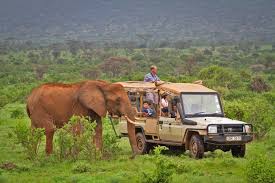
Samburu Safari Landscape
Samburu National Reserve – Vast savannahs and wildlife

Did You Know?

The Gerenuk can stand on its hind legs to reach leaves that are too high for other antelopes, giving it the nickname “giraffe-necked antelope.”

Quick Tips

  • Carry water; temperatures can be high during midday.
  • Keep a safe distance from wildlife and follow guide instructions.
  • Use a zoom lens to photograph shy or distant animals.
  • Listen for animal calls early morning—they signal activity.

Scenic Landscapes

The landscape of Samburu is breathtaking. From rocky hills and acacia woodlands to open savannahs and the lush riverbanks of the Ewaso Ng’iro, every corner offers dramatic scenery perfect for photography. Seasonal variations transform the reserve, with dry seasons highlighting the stark beauty of the terrain and rainy seasons painting it in lush greens.

For landscape photographers, viewpoints like Mount Ololokwe and the banks of the Ewaso Ng’iro provide panoramic vistas that capture the essence of northern Kenya’s wild beauty.

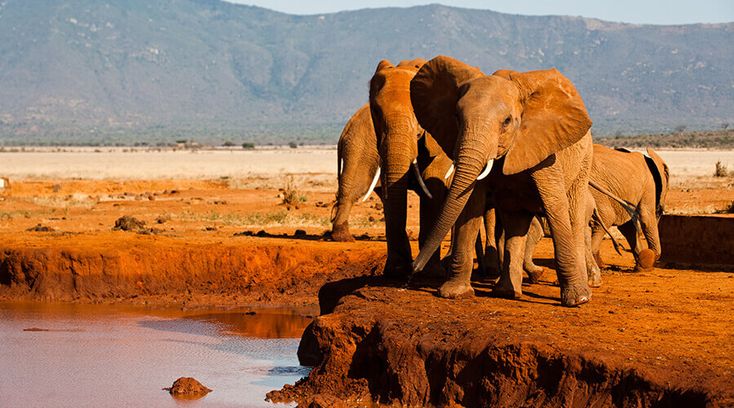
Wildlife game in Samburu
Game viewing in the heart of Samburu – lions and elephants co-exist

Did You Know?

Mount Ololokwe is considered sacred by the Samburu people and dominates the northern skyline, rising over 2,600 meters above sea level.

Quick Tips

  • Golden hour (sunrise/sunset) offers best photographic light.
  • Drone photography requires prior permission in Kenya.
  • Wear comfortable walking shoes for short bush walks.

Cultural Encounters

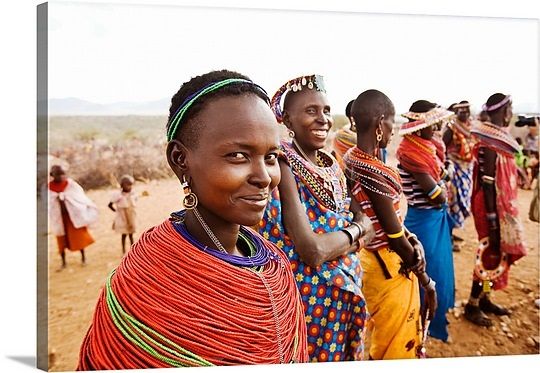
The Samburu people are semi-nomadic pastoralists with vibrant traditions. Visiting a Samburu village allows you to witness their colorful attire, intricate beadwork, and daily life. Engaging respectfully offers a rare insight into a living culture intertwined with the land.

Participate in traditional ceremonies, learn about livestock herding, and experience the warmth of Samburu hospitality. Cultural encounters complement wildlife safaris, adding layers of understanding to your journey through northern Kenya.

Samburu Tribal Culture
Samburu Tribal Pride – Cultural immersion experience

Did You Know?

Samburu warriors wear a distinctive red shawl called a “shuka” and decorate themselves with intricate beadwork that signifies age, status, and family heritage.

Quick Tips

  • Ask permission before photographing people.
  • Participate in beadwork or craft workshops.
  • Learn a few local greetings for a richer experience.
  • Support local artisans by buying authentic crafts.

Practical Safari Tips

  • Best Time to Visit: June–October and December–March for optimal wildlife viewing.
  • Activities: Morning and evening game drives, bush walks, and birdwatching.
  • Packing: Neutral clothes, hat, sunscreen, binoculars, camera, insect repellent.
  • Health: Malaria prophylaxis advised; follow your guide’s instructions.
  • Transport: 4×4 safari vehicles recommended for comfort and accessibility.

Did You Know?

Many safari lodges in Samburu use solar power and eco-friendly practices to preserve the reserve’s delicate ecosystem.

Quick Tips

  • Carry cash for local crafts and tips.
  • Always follow the safari guide’s safety instructions.
  • Keep essential items in a small daypack for easy access.
  • Check weather forecasts and plan for hot days and cool nights.

Plan Your Samburu Adventure

Let Marula Horizon Safaris craft your perfect safari. Whether you seek luxury, cultural immersion, or thrilling game drives, we tailor experiences to make your trip unforgettable.

Start Planning Explore Samburu Reserve
© Marula Horizon Safaris — Responsible safari planning and Samburu travel resources.